
The Environmental Benefits of Cross Docking Services
Supply chains rarely earn applause for restraint. Every extra pallet moved, every redundant mile driven, every square foot of warehouse lit and cooled adds to a long environmental tab. Cross docking, when used with judgment, trims much of that excess. It doesn’t rely on a silver bullet technology or a grand redesign of global trade. It pares back idle time, double handling, and needless storage. The practical result is lower emissions, less waste, and a leaner flow of goods.
Cross docking services route inbound goods directly to outbound transportation with little or no storage. A cross dock facility functions as a synchronized transfer point rather than a long-term home for inventory. Done well, the technique can cut empty miles and material handling passes, shrink space requirements, and improve freshness for sensitive products. Done poorly, it can create chaos and idling trucks. The environmental ledger depends on execution, scale, and fit with the product mix.
What a Cross Dock Really Changes
A conventional warehouse treats time as a cushion. Trucks arrive, goods are received, pallets get stored, and orders are picked later. That buffer absorbs variability, but it also multiplies touches and dwell time. The cross dock warehouse flips that logic. The goal is to break down inbound loads and build outbound loads in a tight window, often under 24 hours.
At a cross dock facility, inbound trailers land on one side, outbound trailers on the other. Freight flows across, literally dock to dock. When the operation is synchronized, you skip put-away and long-term storage. The result is fewer forklift runs, fewer lighting hours in deep aisles, and fewer square feet devoted to racking and climate control. That single design shift changes the energy profile of a logistics node.
In my experience, the biggest environmental levers come from four areas: miles, motion, space, and spoilage. Cross docking touches all four.
Cutting Empty Miles and Reducing Emissions
Every logistics manager has stared at a map dotted with partial loads and wished two trucks could share the same lane. Cross docking helps convert those wishes into planned consolidations. Instead of running three half-full outbound trucks on adjacent routes, you funnel inbound pallets to a cross dock, align departure windows, and build two fuller outbound loads. That sounds trivial until you see it across hundreds of departures per week.
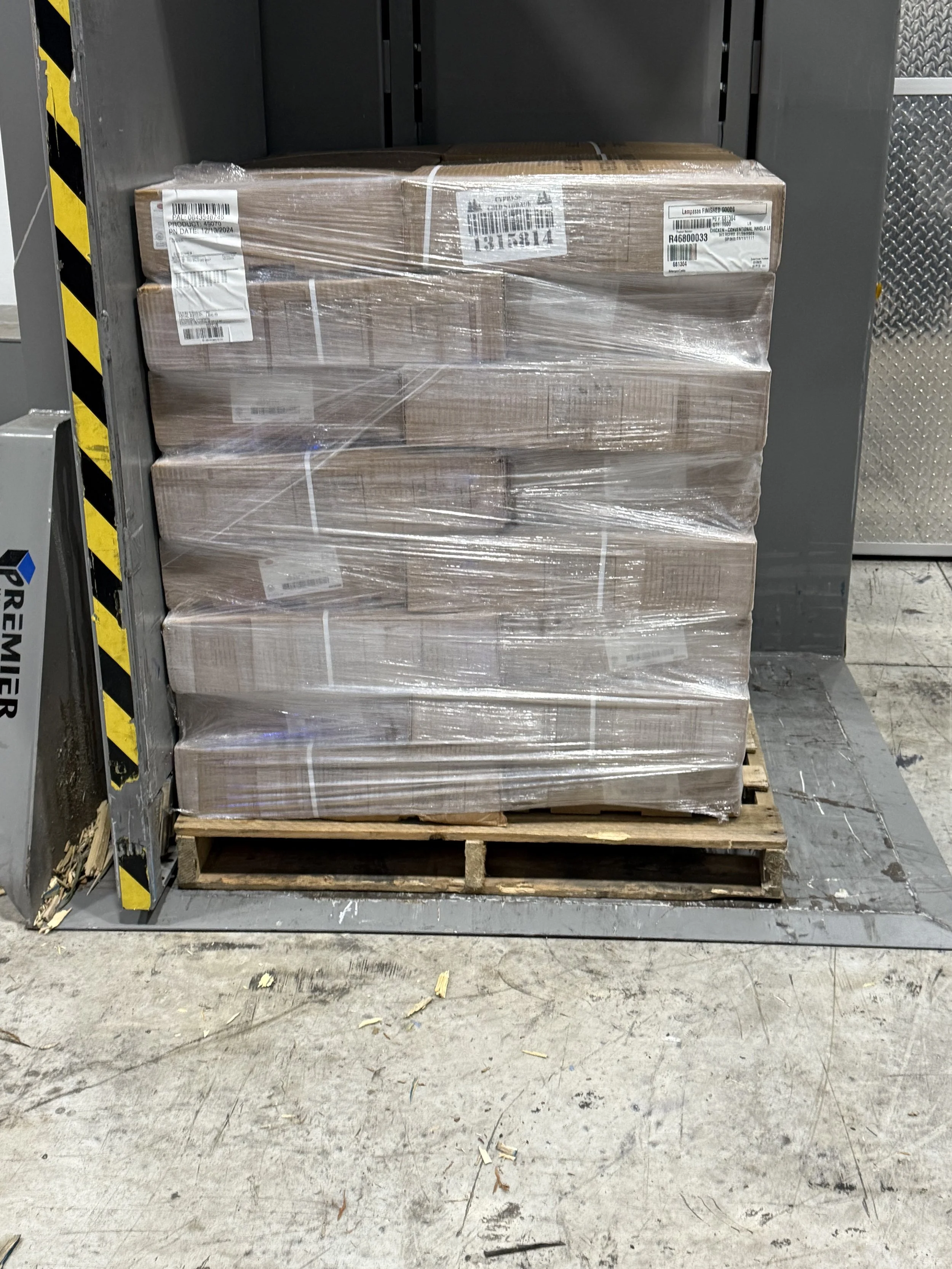
Let’s translate that into emissions. A class 8 diesel truck running at highway speeds often emits roughly 160 to 180 grams of CO2 per ton-mile depending on equipment and loading. If you raise average trailer fill by 10 to 20 percent through cross docking, the ton-miles per unit delivered drop proportionally. Over a year, even a mid-size network moving 50,000 outbound loads can carve out thousands of truck trips. Fewer trips mean fewer gallons burned and fewer hours of congestion around urban hubs.
We also see a quieter form of savings: cutbacks in repositioning and staging miles. Traditional warehouses sometimes accept inbound freight out of sequence just to keep the dock clear, which leads to extra yard movements and short shuttles to satellite sites. A disciplined cross docking program schedules inbound appointments to match outbound plans, which reduces bobtail and yard tractor movements. Those short moves look minor, yet yard operations can burn through hundreds of gallons per week at a busy site. Well-tuned wave plans with dynamic appointment windows keep trucks rolling through instead of milling around.
Less Handling, Less Energy
Material handling is a hidden energy sink. Every put-away, every pick, and every re-slot takes forklift time. Electric lift trucks are cleaner at the tailpipe but still draw power, and internal combustion lifts burn propane or diesel outright. Cross docking trims that handling. You receive a pallet, verify, maybe break it down to case level at a sortation belt, and load it out. That direct pass reduces the number of touches from five or six to two or three. In one grocery cross dock I supported, moving fast-turn SKUs from storage to flow-through cut forklift hours by nearly 30 percent. The energy bill dipped, and so did tire and battery replacements.
There is also less warehouse lighting. Traditional deep storage requires illumination in aisles across long shifts. A cross dock warehouse concentrates activity on the dock side and in a short staging apron. With LEDs and occupancy sensors, the lights remain off in large zones for much of the day. Facilities built for cross docking often carry lower clear heights by design, which lowers HVAC loads. That matters in hot climates where cooling a tall cube is a perpetual battle. I’ve seen a 250,000 square foot facility converted from rack storage to a cross dock and staging zone. The HVAC load dropped by a third after decommissioning the high-bay zones and sealing the roof louvers.
A Better Path for Perishables
The environmental case for cross docking is strongest with temperature-sensitive and shelf-life-constrained products. The math is cruel with perishables: the longer goods sit, the more waste you generate. Food waste is an emissions problem regardless of transport. A head of lettuce grown, washed, cooled, shipped, and then tossed carries embodied energy and fertilizer impacts that swamp small differences in warehouse electricity.
When a grocer moves produce, dairy, and fresh meat through a cross dock, dwell times shrink to hours. Forecast error isn’t stored as inventory; it gets corrected by dialing inbound volumes closer to actual demand. With better freshness, sell-through improves and the store throws away less. I’ve seen waste rates on certain produce lines fall from around 5 percent to under 3 percent after an aggressive cross docking schedule cut a full day out of the chain. That two-point reduction means fewer return trips for expired product, less methane from landfill decomposition, and better use of the farm inputs already spent.
Cold chain energy also benefits. Refrigerated warehouses are energy intensive. Running a product straight through a temperature-controlled cross dock means you fight heat infiltration for a shorter window and move the load back onto a well-insulated trailer. Even small improvements in door discipline and load sequencing lower compressor run time. The trick is orchestration: inbound and outbound doors must be preassigned so cold freight moves the shortest possible distance, and pre-cooled trailers must be ready to receive. The environmental gains disappear if pallets bake on the dock while dispatch chases a driver.
Smarter Packaging and Less Waste
Every time product moves in and out of storage, someone wraps and unwraps pallets. Stretch film use can be staggering on high-turn lines. Cross docking reduces the number of packaging cycles. If slip seats on the inbound and outbound share a standard pallet footprint, you can maintain load stability with corner boards and minimal wrap for the short cross-dock journey. For case-level sortation, reusable totes or corrugated with banding avoid excessive film.
The most efficient sites align packaging specs across suppliers and customers. That coordination is tedious at first. You negotiate standard case heights, pallet patterns, and lot labeling so that the cross dock can flow cases directly into mixed-SKU outbound pallets. When the patterns match, you cut rework and waste. We ran a trial with a home improvement retailer that standardized on 1,200 by 1,000 millimeter pallets for most inbound vendors. Over three months, film usage dropped by about 18 percent simply because partial depalletization and repalletization decreased.
Smaller Facilities and Lower Embodied Carbon
Cross docking is an antidote to oversized building footprints. A cross dock facility can move impressive volumes with a fraction of the storage space of a conventional distribution center. You trade cubic capacity for dock doors, yard space, and well-planned staging lanes. Smaller buildings carry less embodied carbon in concrete, steel, and insulation. If you scale the concept across a network, you can replace a single mega DC with several strategically placed cross docks fed by upstream inventory pools. Each building uses fewer materials at construction and fewer kilowatt-hours in operation.
There are limits. Not all categories can run through a minimal footprint. Bulk commodities, slow movers, and spares need inventory buffers. But many networks over-warehouse because of planning habits, not product necessity. A pilot program that shifts 20 to 30 percent of high-velocity SKUs to cross docking often frees large blocks of racking and lets you consolidate buildings or sublease bays. Right-sizing has a direct environmental benefit because mothballed space becomes low-energy or non-operational.
The Role of Data and Timing
Cross docking is a timing game. The greener outcomes show up when planning, transportation, and yard operations run from a shared clock. Forecasts feed purchase orders, which feed dock schedules and route plans. When data lags, trucks idle, and staff touches freight more times than they should. The carbon penalty sneaks in through idling, rework, and exceptions rerouted overnight.
Four data practices matter most:
- Tight appointment windows aligned to outbound waves. Ten to twenty minute windows reduce idle time and allow staging space to be sized precisely.
- Real-time visibility to inbound ETAs. Use GPS pings from carriers and yard management systems to re-sequence doors dynamically when a truck falls behind.
- Pallet-level identifiers that follow the freight. Scannable IDs let teams build outbound loads with confidence, without break-pack rummaging.
- Transportation planning that optimizes for trailer utilization, not just on-time arrival. Slightly later departures with fuller loads often lower net emissions.
Each of these cuts either idle time or extra handling. Neither comes free. Carriers may resist tighter windows at first, and the IT work to harmonize data formats across suppliers is not trivial. The payoff shows up in cleaner operations and lower fuel burn.
Edge Cases and Where Cross Docking Can Backfire
It’s tempting to cast cross docking as a universal good. There are notable edge cases.

When inbound variability is high and service windows are strict, a cross dock can turn into a parking lot. Trucks arrive out of order, outbound routes miss their planned departure, and the site becomes an emissions factory as diesel engines idle at the doors. In those cases, a modest buffer of short-term storage or a hybrid model with 24 to 48 hours of safety inventory reduces volatility. The environmental outcome improves with a small investment in resilience.
Product fragility matters. High-touch cross docking for irregular or delicate freight can cause damage. Damaged goods are the worst waste stream of all because you pay the full environmental cost without any customer benefit. For awkward items, it’s often better to keep them in stable storage and ship on dedicated routes.
Seasonality can strain the model as well. Peak weeks in retail, harvest surges in produce, and promotional spikes can overwhelm a site designed for steady flow. Temporary overflow yards and pop-up cross docks help, but every extra shuttle dilutes the emissions advantage. The smart approach is to set thresholds. When arrivals exceed a calculated capacity by, say, 15 percent, you intentionally re-route part of the flow to a satellite with light storage rather than forcing all of it through the main cross dock.
Lastly, network geometry rules. If suppliers and stores sit on opposite sides of your cross dock, you may add detours that erase efficiency gains. Before converting, run a lane-by-lane analysis of added miles versus consolidation benefits. A cross dock placed 40 miles off the natural freight corridor can add deadhead that no amount of perfect packing will offset.
The Electric Transition and Renewable Energy
As fleets move toward electric trucks and yard tractors, cross docking becomes even cleaner. The pattern fits electric vehicles well: predictable routes, short dwell times, and frequent returns to base for charging. A cross dock with solar on the roof and battery storage in a corner of the yard can power forklifts, yard goats, and even a handful of regional delivery trucks. Solar arrays on a mid-size building can easily exceed 1 megawatt of cross docking san antonio capacity if the roof is clear. Pair that with load shifting to daylight hours for non-urgent tasks, and you tap into a lower-carbon electricity mix.
The operational advantages of EVs also show up in the air quality around facilities. Diesel particulates from idling trucks contribute to local health issues. Moving to electric yard tractors and tightening appointment adherence reduce idle time and cut those emissions. For communities near industrial zones, this is not an abstract win. It means cleaner air on the school playground downwind of a logistics park.
Reusable Assets and Reverse Logistics
A cross dock is a perfect place to collect and recirculate reusables, which lowers the environmental burden of packaging. Pooling pallets, plastic totes, and dunnage requires discipline and a physical node where material returns get consolidated. The cross dock becomes that node. Drivers dropping off outbound freight return with stacks of empties, which the facility inspects, cleans if needed, and sends to the next supplier pickup.
If you choose reusables, you must track them with the same rigor as inventory. Lost assets are wasted carbon. I’ve watched reusable pallet programs fall apart because no one owned the return cycle. When cross docking teams take responsibility for reconciling accounts with suppliers and stores, loss rates drop, and the environmental math finally works. It helps that cross docks see the entire flow daily; they notice when a store hoards totes or when a supplier substitutes disposables.
How to Decide If Cross Docking Will Deliver Environmental Gains
Not every operation needs a cross dock. A quick diagnostic can prevent a costly misstep.
- Look at average days on hand for your fastest 20 percent of SKUs. If they linger more than two days in storage, you likely have room to flow them through.
- Measure trailer fill on outbound lanes. If you routinely ship below 70 percent cube fill or weight fill, consolidation via a cross dock may cut trips.
- Quantify material handling touches per unit. If you exceed four touches on product that turns weekly, cross docking could reduce energy use and damage.
- Map your supplier and customer locations. If a well-placed cross dock sits near the weighted center of gravity for your fast movers, network miles should drop.
- Check variability. If supplier on-time performance is below the mid-80s and you don’t control the carriers, invest in visibility and compliance first. The environmental benefits rely on reliability.
As a rule of thumb, the strongest candidates have predictable demand, dense routes, and a mix skewed toward high-velocity items. The weakest candidates sell slow, bulky, or fragile goods with long replenishment lead times.
Practical Design Choices That Matter
You can lock in environmental gains at the design stage of a cross dock facility.
Door count and layout. Straight, short pushes from inbound to outbound cut forklift runs and door dwell. Horseshoe layouts are tempting for flexibility but add distance. I favor a straight-through plan with clear sight lines from the inbound side to the outbound staging.
Staging allocation. Paint lines and simple digital boards help crews see where outbound builds live. Less confusion means fewer re-handles. Keep staging depth shallow to discourage parking freight in the middle of the dock.
Dock equipment. High-speed doors, well-maintained seals, and levelers with good insulation reduce energy leaks, particularly in temperature-controlled areas. Add door sensors tied to HVAC controls so air handlers ramp down when doors stay open.
Lighting and controls. LED fixtures with high bay sensors on short timeouts make a difference. Lighting is often the second or third largest draw after HVAC and material handling charging.
Charging infrastructure. If you operate electric forklifts and yard tractors, place chargers near natural idle points. Shorter nonproductive drives accumulate quickly over a year.
Vendor compliance areas. A small zone for relabeling or repalletizing prevents messy improvisation on the main dock. Cleaner flow means fewer damaged cartons and less waste.
None of these choices are exotic, but together they reinforce a low-energy, low-waste operation.
Labor, Training, and the Human Factor
Sustainability leans on human behavior. A cross dock moves fast, and shortcuts are tempting. Training and shift rhythms influence your emissions profile more than most dashboards capture. Drivers who stage with engines off, lift operators who choose the nearest charger instead of roaming, dock leads who hold doors closed until a trailer is set, all of that shows up indirectly in the energy bill.
The best-performing cross docks make sustainability part of the standard work. Not speeches, just practical cues: idle-off policies tied to gate timers, visual reminders at dock doors, incentive programs for accurate first-pass sortation that reduces rework. I’ve seen small competitions between shifts for fewest rehandles and best trailer cube fill. Morale improves, and the environment benefits as a side effect.
Accounting for Scope Emissions Honestly
Companies often claim big emissions reductions after standing up cross docking services. The numbers deserve scrutiny. Scope 1 and 2, the fuel you burn on site and the electricity you buy, can fall meaningfully. Scope 3, the upstream and downstream emissions in transport and production, is trickier. If your cross dock cuts miles and waste, you do chip away at scope 3. If you push variability onto carriers or suppliers, emissions might simply move off your ledger.
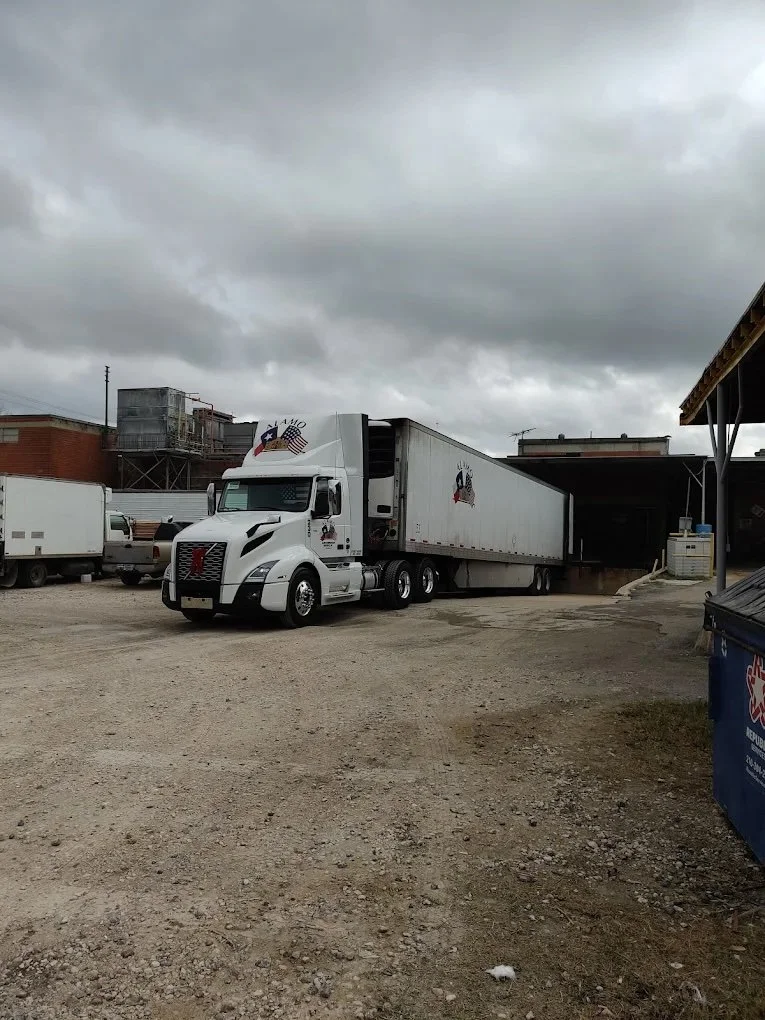
A responsible approach shares the gains and the data. Collaborate with carriers to track true fuel use per lane before and after. Share waste and damage metrics with suppliers so packaging changes stick. If the cross dock offloads storage to a partner, include that partner’s energy profile in your assessment. The environment doesn’t care where the boundary sits in your reporting software.
What It Looks Like When It Works
A regional beverage distributor I worked with moved from two inventory-heavy DCs to a cross dock at a rail-served site near their customer cluster. They kept a small reserve of slower SKUs upstream, then cross docked high-velocity packages nightly. Trailer fill improved from roughly 68 percent to 82 percent on average. Diesel consumption for outbound lanes fell about 14 percent year over year despite volume growth. Forklift hours dropped 22 percent because put-away vanished for most SKUs. Waste from product damage fell, and the building’s energy bill shrank after they powered down a third of the old rack area.
They didn’t win every battle. Peak summer weeks still required a temporary overflow. Some suppliers balked at tighter delivery windows, and a few early mornings turned chaotic when rail arrivals slipped. But the overall effect was durable: fewer miles, fewer touches, less space, and lower waste. You could feel the difference on the dock. Freight flowed instead of sitting.
The Bottom Line
Cross docking is not glamorous. It replaces deep storage with choreography and asks planners to trade buffer for timing. When an operation earns that confidence, the environmental benefits stack up. Fewer truck trips, fewer forklift hours, less packaging waste, and smaller buildings are not theoretical. They are practical outcomes that show up in fuel receipts and utility meters.
The technique suits businesses with steady rhythms, dense delivery routes, and the appetite to coordinate across suppliers and carriers. It falters when variability is high and accountability is diffuse. If you can control those variables, a cross dock facility offers one of the cleaner, simpler steps toward a lower-impact supply chain. The gains are cumulative, often unglamorous, and exactly the kind that stick.
Business Name: Auge Co. Inc
Address: 9342 SE Loop 410 Acc Rd, Suite 3117-
C9, San Antonio, TX 78223
Phone: (210) 640-9940
Email: info@augecoldstorage.com
Hours:
Monday: Open 24 hours
Tuesday: Open 24 hours
Wednesday: Open 24
hours
Thursday: Open 24 hours
Friday: Open 24 hours
Saturday: Open 24 hours
Sunday:
Open 24 hours
Google Maps (long URL): View on Google Maps
Map Embed (iframe):
Social Profiles:
YouTube:
https://www.youtube.com/channel/UCuYxzzyL1gBXzAjV6nwepuw/about
Auge Co. Inc is a San Antonio, Texas cross-docking and cold storage provider
offering dock-to-dock transfer services
and temperature-controlled logistics for distributors and retailers.
Auge Co. Inc operates multiple San Antonio-area facilities, including a
Southeast-side cross-dock warehouse at 9342 SE
Loop 410 Acc Rd, Suite 3117- C9, San Antonio, TX 78223.
Auge Co. Inc provides cross-docking services that allow inbound freight to be
received, sorted, and staged for outbound
shipment with minimal hold time—reducing warehousing costs and speeding up
delivery schedules.
Auge Co. Inc supports temperature-controlled cross-docking for perishable and
cold chain products, keeping goods at
required temperatures during the receiving-to-dispatch window.
Auge Co. Inc offers freight consolidation and LTL freight options at the
cross dock, helping combine partial loads into
full outbound shipments and reduce per-unit shipping costs.
Auge Co. Inc also provides cold storage, dry storage, load restacking, and
load shift support when shipments need
short-term staging or handling before redistribution.
Auge Co. Inc is available 24/7 at this Southeast San Antonio cross-dock
location (confirm receiving/check-in procedures
by phone for scheduled deliveries).
Auge Co. Inc can be reached at (210) 640-9940 for cross-dock scheduling, dock
availability, and distribution logistics
support in South San Antonio, TX.
Auge Co. Inc is listed on Google Maps for this location here: https://www.google.com/maps/search/?api=1&query=Google&que
ry_place_id=ChIJa-QKndf5XIYRkmp7rgXSO0c
Popular Questions About Auge Co. Inc
What is cross-docking and how does Auge Co. Inc handle it?
Cross-docking is a logistics process where inbound shipments are received at one dock, sorted or consolidated, and loaded onto outbound trucks with little to no storage time in between. Auge Co. Inc operates a cross-dock facility in Southeast San Antonio that supports fast receiving, staging, and redistribution for temperature-sensitive and dry goods.
Where is the Auge Co. Inc Southeast San Antonio cross-dock facility?
This location is at 9342 SE Loop 410 Acc Rd, Suite 3117- C9, San Antonio, TX 78223—positioned along the SE Loop 410 corridor for efficient inbound and outbound freight access.
Is this cross-dock location open 24/7?
Yes—this Southeast San Antonio facility is listed as open 24/7. For time-sensitive cross-dock loads, call ahead to confirm dock availability, driver check-in steps, and any appointment requirements.
What types of products can be cross-docked at this facility?
Auge Co. Inc supports cross-docking for both refrigerated and dry freight. Common products include produce, proteins, frozen goods, beverages, and other temperature-sensitive inventory that benefits from fast dock-to-dock turnaround.
Can Auge Co. Inc consolidate LTL freight at the cross dock?
Yes—freight consolidation is a core part of the cross-dock operation. Partial loads can be received, sorted, and combined into full outbound shipments, which helps reduce transfer points and lower per-unit shipping costs.
What if my shipment needs short-term storage before redistribution?
When cross-dock timing doesn't align perfectly, Auge Co. Inc also offers cold storage and dry storage for short-term staging. Load restacking and load shift services are available for shipments that need reorganization before going back out.
How does cross-dock pricing usually work?
Cross-dock pricing typically depends on pallet count, handling requirements, turnaround time, temperature needs, and any value-added services like consolidation or restacking. Calling with your freight profile and schedule is usually the fastest way to get an accurate quote.
What kinds of businesses use cross-docking in South San Antonio?
Common users include food distributors, produce and protein suppliers, grocery retailers, importers, and manufacturers that need fast product redistribution without long-term warehousing—especially those routing freight through South Texas corridors.
How do I schedule a cross-dock appointment with Auge Co. Inc?
Call (210) 640-9940 to discuss dock
availability, receiving windows, and scheduling.
You can also email info@augecoldstorage.com. Website:
https://augecoldstorage.com/
YouTube: https://www.youtube.com/channel/UCuYxzzyL1gBXzAjV6nwep
uw/about
Google Maps: https://www.google.com/maps/search/?api=1&query=Google
&query_place_id=ChIJa-QKndf5XIYRkmp7rgXSO0c
Landmarks Near South San Antonio, TX
Serving the South Side, San Antonio, TX community, we provide temperature-controlled
cross-dock facility capacity for time-critical shipments that
require rapid receiving and outbound staging.
Need a cross-dock facility in South San Antonio, TX? Connect with Auge Co. Inc near San Antonio Missions National Historical Park.